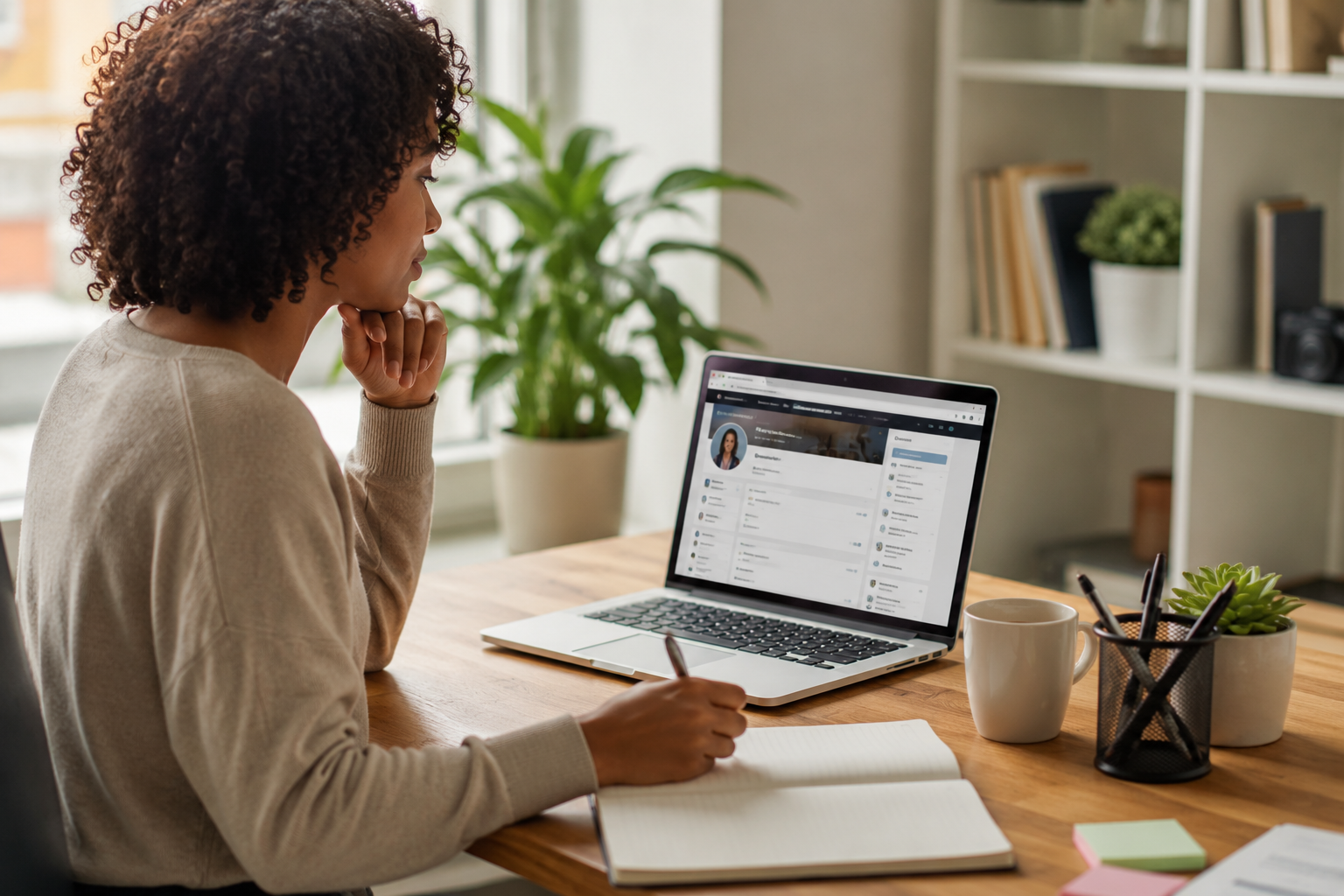
There was a time when finding a job meant printing résumés, walking into offices, and hoping someone would give you a chance.
That world has changed.
Today, opportunities travel faster than people do. A recruiter sitting in London can discover a candidate in Lagos. A startup in Canada can hire talent from Kenya. A company in Australia can interview applicants from almost anywhere in the world.
At the center of this shift sits LinkedIn.
For many professionals, LinkedIn is simply another social media platform. They create a profile, connect with a few colleagues, and rarely return.
Recruiters see it differently.
To recruiters, LinkedIn is one of the largest professional databases in the world.
Every day, hiring managers search for candidates using keywords, skills, job titles, certifications, locations, and work history. They actively look for people who fit specific roles.
The surprising reality is that many job seekers never make themselves visible enough to be found.
As a result, they spend months applying for jobs while recruiters pass over their profiles without ever knowing they exist.
That is why understanding a LinkedIn remote job search strategy is no longer optional for serious job seekers.
A strong strategy can help you:
- Attract recruiters
- Find legitimate remote jobs.
- Build professional credibility
- Expand your network
- Increase interview invitations
- Improve long-term career opportunities.
Whether you are looking for your first remote position or hoping to advance your online career, this guide will show you how to position yourself effectively in 2026.
Table of Contents
- Why LinkedIn Matters for Remote Jobs
- How Recruiters Actually Use LinkedIn
- Building a LinkedIn Profile That Gets Found
- Writing a Headline That Attracts Recruiters
- Optimizing Your About Section
- Skills That Increase Profile Visibility
- How to Use LinkedIn’s Open to Work Feature
- Finding Remote Jobs on LinkedIn
- Networking Without Feeling Awkward
- How to Contact Recruiters Professionally
- Common LinkedIn Mistakes That Hurt Applicants
- Using Content to Attract Opportunities
- LinkedIn Premium: Is It Worth It?
- Creating a Long-Term LinkedIn Strategy
- Final Thoughts
- Frequently Asked Questions
Why LinkedIn Matters for Remote Jobs
Many remote opportunities never reach traditional job boards.
Instead, recruiters search directly for candidates.
This approach saves time and allows employers to identify professionals with specific skills before posting publicly.
Consequently, LinkedIn has become one of the most important tools in modern job searching.
The platform now hosts millions of job listings and professional profiles across countless industries.
Moreover, remote hiring continues to grow as companies expand beyond geographical limitations.
For job seekers, this means LinkedIn is no longer just a networking site.
It is a career-building platform.
If you are still exploring beginner-friendly remote opportunities, read our guide on 15 Legit Remote Jobs for Beginners With No Experience in 2026 to understand where many professionals begin their journey.
How Recruiters Actually Use LinkedIn
Understanding recruiter behavior gives you an advantage.
Most recruiters do not browse LinkedIn randomly.
Instead, they perform targeted searches.
For example, a recruiter hiring a customer support specialist may search:
- Customer Support
- Customer Success
- Zendesk
- CRM
- Remote Support
If your profile contains these relevant keywords, your chances of appearing in search results increase significantly.
On the other hand, incomplete profiles often remain invisible.
Therefore, every section of your profile should work together to clearly communicate your expertise.
Think of LinkedIn as a search engine.
The more relevant your profile appears, the easier it becomes for recruiters to discover you.
Building a LinkedIn Profile That Gets Found
A strong profile begins with professionalism.
Before focusing on job applications, ensure the foundation is solid.
Use a Professional Profile Photo
Your profile picture creates an immediate impression.
Choose a clear, professional image with:
- Good lighting
- Neutral background
- Appropriate attire
- Friendly expression
You do not need expensive photography.
However, clarity and professionalism matter.
Complete Every Major Section
Profiles with complete information generally perform better.
Include:
- Headline
- About section
- Work experience
- Education
- Skills
- Certifications
- Featured content
The more complete your profile, the more opportunities LinkedIn has to match you with recruiter searches.
You can also read: How to Build a Remote Career in 2026 Even If You Feel Stuck Right Now.
Writing a Headline That Attracts Recruiters
Your headline is one of the most important elements on your profile.
Unfortunately, many people waste this space.
Avoid:
“Looking for opportunities.A ”
Instead, focus on value and keywords.
Examples:
- Customer Support Specialist | Remote Customer Service | CRM & Zendesk Experience
- Digital Marketing Professional | SEO | Content Strategy | Remote Work
- Virtual Assistant | Administrative Support | Calendar & Email Management
These headlines tell recruiters exactly what you do.
More importantly, they include searchable keywords.
Optimizing Your About Section
Your About section should answer one question:
Why should someone hire you?
Avoid generic statements.
Instead, tell a concise professional story.
Include:
- Your experience
- Core skills
- Industries served
- Career goals
- Professional strengths
Keep the tone professional yet human.
Recruiters want to understand not only what you can do, but also who you are.
Skills That Increase Profile Visibility
Skills influence recruiter searches.
As a result, selecting relevant skills can significantly improve visibility.
Popular remote-work skills include:
- Customer Service
- Project Management
- SEO
- Content Writing
- Digital Marketing
- Data Analysis
- Social Media Management
- Microsoft Office
- Google Workspace
- Communication
Choose skills that genuinely reflect your abilities.
Accuracy remains important because recruiters may evaluate these claims during interviews.
How to Use the Open to Work Feature
LinkedIn’s Open to Work feature signals availability to recruiters.
When enabled correctly, recruiters can identify you more easily.
Specify:
- Desired job titles
- Preferred work arrangements
- Remote opportunities
- Locations if applicable
This simple setting often increases recruiter engagement.
Finding Remote Jobs on LinkedIn
LinkedIn’s job board contains thousands of remote opportunities.
To improve results:
Use Specific Keywords
Search terms such as:
- Remote Customer Service
- Remote Marketing Specialist
- Remote Virtual Assistant
- Remote Project Coordinator
produces more targeted results.
Save Searches
LinkedIn allows users to save searches.
This feature helps you efficiently monitor new opportunities.
Set Job Alerts
Job alerts notify you when relevant positions become available.
Applying early often increases visibility.
For additional platforms beyond LinkedIn, read our guide on Best Remote Job Websites in 2026.
Networking Without Feeling Awkward
Many people dislike networking because they associate it with self-promotion.
Effective networking looks different.
Instead of asking strangers for jobs, focus on building genuine professional relationships.
For example:
- Comment thoughtfully on industry posts.
- Congratulate others on their achievements.
- Share useful insights
- Participate in discussions
Over time, visibility increases naturally.
Networking works best when it feels authentic rather than transactional.
For other options, you can also read: Best Remote Job Websites in 2026
How to Contact Recruiters Professionally
Reaching out to recruiters can be effective when done respectfully.
Keep messages concise.
Example:
“Hello Sarah,
I recently came across your profile while researching remote customer support opportunities. I admire the work your company is doing and wanted to introduce myself. My background includes customer service and CRM experience, and I would appreciate connecting.
Thank you for your time.”
Short messages often perform better than lengthy introductions.
Common LinkedIn Mistakes That Hurt Applicants
Many job seekers unknowingly reduce their chances.
Incomplete Profiles
Missing information limits visibility.
Generic Headlines
Vague descriptions make profiles harder to find.
Lack of Activity
Inactive profiles often appear less engaged.
Poor Profile Photos
Professional presentation matters.
Ignoring Keywords
Recruiters frequently search using keywords.
Without them, your profile becomes difficult to discover.
Using Content to Attract Opportunities
Posting content can increase professional visibility.
You do not need to become an influencer.
Simple content works well.
Examples:
- Career lessons
- Industry observations
- Professional achievements
- Helpful resources
- Project updates
Consistent activity demonstrates engagement and expertise.
Furthermore, content creates additional opportunities for recruiters to notice your profile.
LinkedIn Premium: Is It Worth It?
Many users wonder whether LinkedIn Premium is necessary.
The answer depends on your goals.
Benefits include:
- Additional search insights
- InMail messages
- Applicant comparisons
- Learning resources
However, a strong profile matters more than a premium subscription.
Many professionals secure excellent opportunities using the free version alone.
Creating a Long-Term LinkedIn Strategy
LinkedIn should support your career for years, not just during job searches.
Consider these long-term habits:
Update Your Profile Regularly
Add new achievements, certifications, and experiences.
Build Relevant Connections
Focus on quality rather than quantity.
Share Useful Content
Consistent engagement improves visibility.
Continue Learning
Professional development strengthens both your profile and your career prospects.
Similarly, if your long-term goal is to establish a sustainable online profession, read our guide on How to Spot Remote Job Scams in 2026.The “
Final Thoughts
LinkedIn has evolved into far more than an online résumé.
Today, it serves as a professional discovery platform where recruiters, employers, and opportunities intersect.
The people who benefit most are rarely those with perfect backgrounds.
Instead, they are individuals who understand how to present themselves effectively.
A strong profile, thoughtful networking, relevant skills, and consistent engagement can dramatically improve your visibility.
Most importantly, remember that LinkedIn is not a magic solution.
It is a tool.
Like any tool, its effectiveness depends on how you use it.
Invest time in building a professional presence now, and future opportunities may find you long before you start looking for them.
Frequently Asked Questions
Can recruiters find me on LinkedIn if I have little experience?
Yes. Recruiters often hire entry-level candidates when profiles clearly communicate skills, potential, and professionalism.
How often should I update my LinkedIn profile?
Review your profile every few months and update it whenever you gain new experience, certifications, or skills.
Is LinkedIn useful for remote jobs?
Absolutely. Many companies actively recruit remote workers through LinkedIn.
How many connections should I have?
Quality matters more than quantity. Focus on building a relevant professional network.
Does LinkedIn Premium guarantee interviews?
No. While Premium offers useful features, profile quality and job-search strategy remain more important.
